 Login
Login
Preparing together: Emergency Preparedness Week (May 3 – 9, 2026)
April 30th 2026
In our region, emergency events can happen quickly. We’ve learned that wildfires, floods, severe storms, and power outages are part of the reality we live with. Knowing what could happen where you live is the first step. When you understand the risks, it becomes easier to make clear decisions if something does happen.
Emergency Preparedness Week is a reminder to acknowledge and understand the risks around us and take practical steps to prepare and stay safe. This year’s theme, “Be Prepared. Know Your Risks,” encourages everyone to be informed, make a plan, and look out for one another.
Preparedness does not need to be complicated. Start with a few key actions:
- Build an emergency kit with enough supplies for at least three days
- Put together a grab-and-go bag in case you need to leave quickly
- Create a household plan so everyone knows where to go and how to stay connected
These steps matter when time is limited. Guides and resources through PreparedBC are available on the OKIB website, including information on local hazards, evacuations, and recovery supports.
Emergency preparedness is also about looking out for each other. Check in on neighbours. Make sure Elders and those who may need extra support are not left behind. Staying connected strengthens how the community responds.
Preparedness against wildfire risk – Firesmart at OKIB
In partnership with the First Nations FireSmart Program, OKIB is working to reduce wildfire risk. This includes home assessments, fuel reduction, and community education, grounded in both FireSmart principles and traditional knowledge. The focus is simple: reduce risk and help community members take action around their own homes.
That can look like:
- Clearing dry grass, brush, and debris from around your home
- Moving firewood and flammable materials away from structures
- Cleaning roofs and gutters to remove needles and leaves
For a free FireSmart home assessment or more information, contact:
Luke Defauw, FireSmart Coordinator
250-241-6409
fscoordinator@okanagan.org
For emergency preparedness and planning support, contact:
Kim Louis, Emergency Program Coordinator
250-306-1553
okibepc@okanagan.org
News this week
-
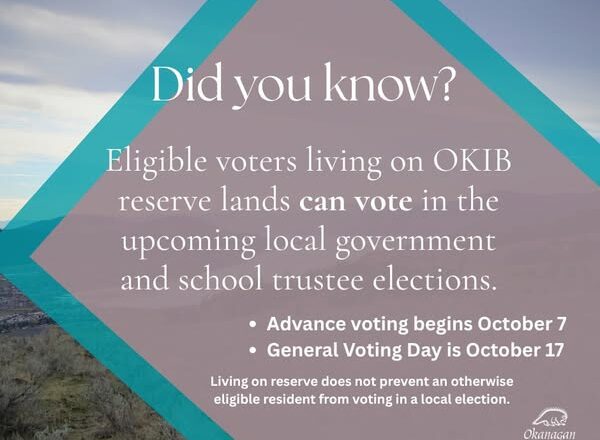
Voting in local elections while living on OKIB reserve lands
Read More: Voting in local elections while living on OKIB reserve lands -
Community Notice: Cannabis Referendum and Community Information Meetings
Read More: Community Notice: Cannabis Referendum and Community Information Meetings -
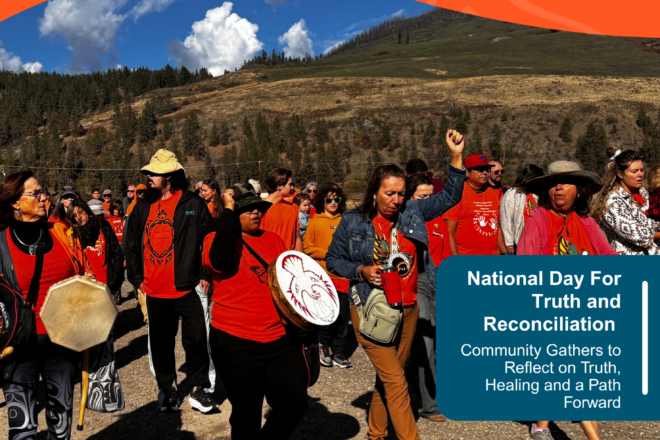
The October edition of Senk’lip is now available to read online
Read More: The October edition of Senk’lip is now available to read online